
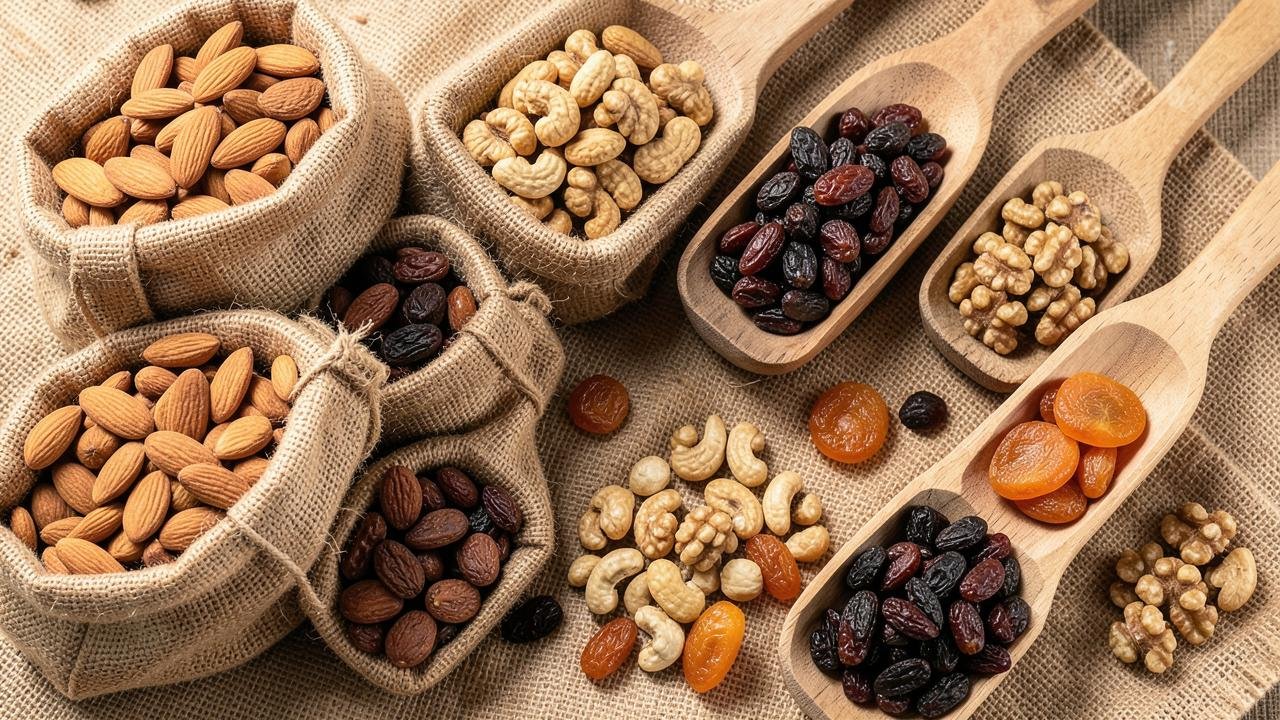
Nuts and dried fruits carry higher unit values and tighter regulatory limits than most agricultural commodities. That combination punishes casual sourcing. Here are the five failures we see repeatedly.
1. Treating aflatoxin limits as the supplier's problem
Aflatoxin thresholds differ by destination and by product, and EU limits in particular are stricter than many origin markets are used to working with. A supplier who routinely ships to a lenient market may genuinely believe their product is compliant.
Specify the destination limit explicitly, require testing at an accredited laboratory on the actual shipment lot, and require the certificate before shipment, not after arrival. For higher-risk products, a pre-shipment sampling plan matters more than the certificate itself, because a certificate on an unrepresentative sample is worthless.
2. Ignoring moisture and water activity
Moisture drives mould, caking and weight disputes. Dried fruits shipped at the top of the moisture tolerance can arrive out of specification after a warm transit, and a container loaded in a humid port without adequate ventilation or desiccant will condensate.
Set both a moisture maximum and, for dried fruit, a water activity target. Specify desiccant bags, liner type and whether the cargo may be shipped through equatorial transhipment in summer months.
3. Buying against the wrong size grade
Count per ounce, caliber, and grade nomenclature vary between origins. A 'jumbo' cashew from one exporter is not the same physical product as another's, and pistachio sizing conventions differ between US, Iranian and Turkish trade practice.
Always agree the grading standard by reference, count range plus a sealed approved sample. Then hold the counter-sample for the life of the contract.
4. Buying at the wrong point in the season
Tree nuts and dried fruits are annual crops with pronounced price cycles. Buying spot in the weeks before a new harvest usually means paying a premium for tired carry-over stock. Buying too early into a new crop can mean elevated moisture and unstable quality.
Build a purchasing calendar per product. For repeat volume, staged contracts across the season smooth both price and quality risk far more effectively than a single opportunistic buy.
5. Underspecifying packaging and pest control
Nuts and dried fruits are attractive to storage pests, and infestation discovered at destination is expensive to resolve. Vacuum packing, controlled-atmosphere treatment, carton specification and inner-liner quality all deserve contract lines.
Retail-ready and private-label programmes add another layer: artwork approval, barcode verification, lot coding and best-before calculation. Agree who owns each step before production starts.
The underlying discipline
Every one of these mistakes is a specification failure rather than a bad-luck event. Buyers who write tight specifications, test at origin and retain samples rarely file claims. SourceBridge Commodities supports buyers through supplier qualification, sampling protocols and pre-shipment coordination on nut and dried fruit programmes.
Looking to source or sell nuts and dried fruits? Contact SourceBridge Commodities today.
Contact SourceBridge Commodities