
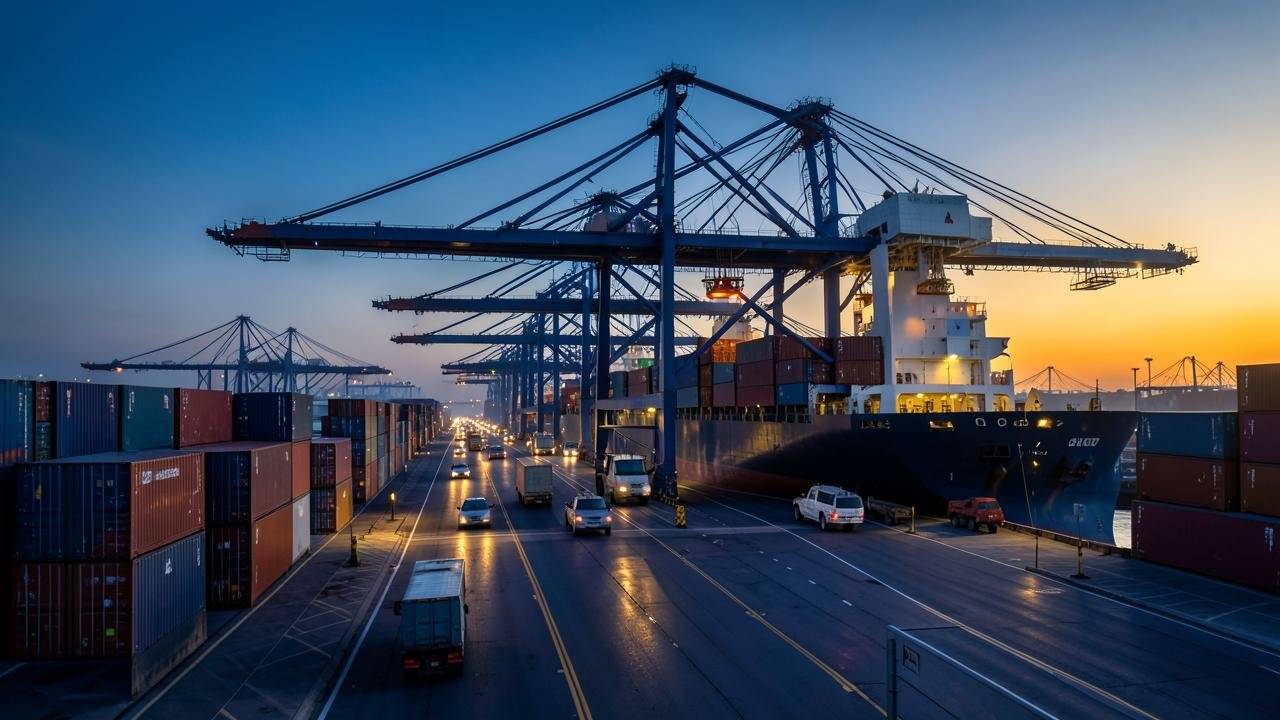
Global commodity sourcing looks simple from the outside: a buyer needs 20 containers of parboiled rice, a mill somewhere has it, and the two parties agree on a price. In practice, most of the work sits between those two points, verifying who is real, translating a purchase requirement into a technical specification, and structuring a transaction that both sides are willing to perform.
This guide walks through the sequence an experienced buyer follows, and highlights the steps where inexperienced importers typically lose margin.
1. Define the requirement before you talk to anyone
A requirement is not 'rice'. It is a grain length, moisture content, broken percentage, crop year, packaging format, palletisation standard, target port, incoterm, and payment structure. Suppliers quote against what you tell them, and vague inquiries attract vague pricing, usually the wrong price for the wrong product.
Write the specification down first. A one-page requirement sheet is the single highest-return document in a sourcing project because every quotation you receive afterwards becomes comparable.
2. Supplier discovery and pre-qualification
Discovery is the easy half; qualification is the hard half. Trade directories, exhibitions and marketplaces will produce dozens of names, but a name is not a supplier. Before a quotation matters, you need to know whether the counterpart is a producer, a processor, or a trading desk reselling someone else's cargo.
- Business registration, export licence and years of export activity
- Production capacity versus your monthly requirement
- Certifications relevant to your market (food safety, organic, halal, kosher, phytosanitary capability)
- References from buyers in your destination market
- Willingness to be inspected by a third party before shipment
3. Quotation and comparison
Collect at least three quotations for the same specification and normalise them onto the same incoterm. An EXW price and a CFR price are not comparable until you have added inland transport, handling, documentation and freight to the first one.
Price is only one column of a comparison table. Payment terms, lead time, minimum order quantity, packaging cost and tolerance on quality parameters all carry real financial value, and the cheapest headline number frequently ranks third once they are included.
4. Samples and specification lock
Request pre-production or stock samples and, for repeat business, retain a sealed counter-sample. The sample you approve becomes the reference against which the shipment is judged, so document its lot number and analysis. Where possible, agree the laboratory and the analysis method in advance, disputes over quality are more often disputes over test methodology than over the goods themselves.
5. Negotiation and contracting
Negotiation in commodities is rarely about grinding a supplier down to their floor. It is about allocating risk: who carries quality risk at which point, what tolerance applies, what happens if the vessel rolls, and how payment is released against documents. A contract that leaves a supplier no margin produces a shipment that quietly finds its margin elsewhere.
Set out the essentials in writing: product specification, quantity and tolerance, price and incoterm, inspection regime, packing, shipment window, documents required, payment mechanism, and the governing law and dispute forum.
6. Execution and coordination
Once the contract is signed, execution is a coordination problem: booking, stuffing, inspection, phytosanitary and certificate-of-origin issuance, bill of lading, and presentation of documents. Small errors, a mismatched description between invoice and letter of credit, or a missing fumigation certificate, cause demurrage and delayed release at destination.
This is where an experienced trade coordination partner proves its value. Somebody has to hold the timeline, chase both sides, and catch document errors before the bank does.
Where a sourcing partner fits
SourceBridge Commodities works with buyers on exactly this sequence: translating a requirement into a specification, shortlisting and qualifying suppliers, running the quotation comparison, coordinating samples, and supporting negotiation through to handover.
Looking to source food or agricultural commodities? Contact SourceBridge Commodities today.
Contact SourceBridge Commodities