
Sourcing
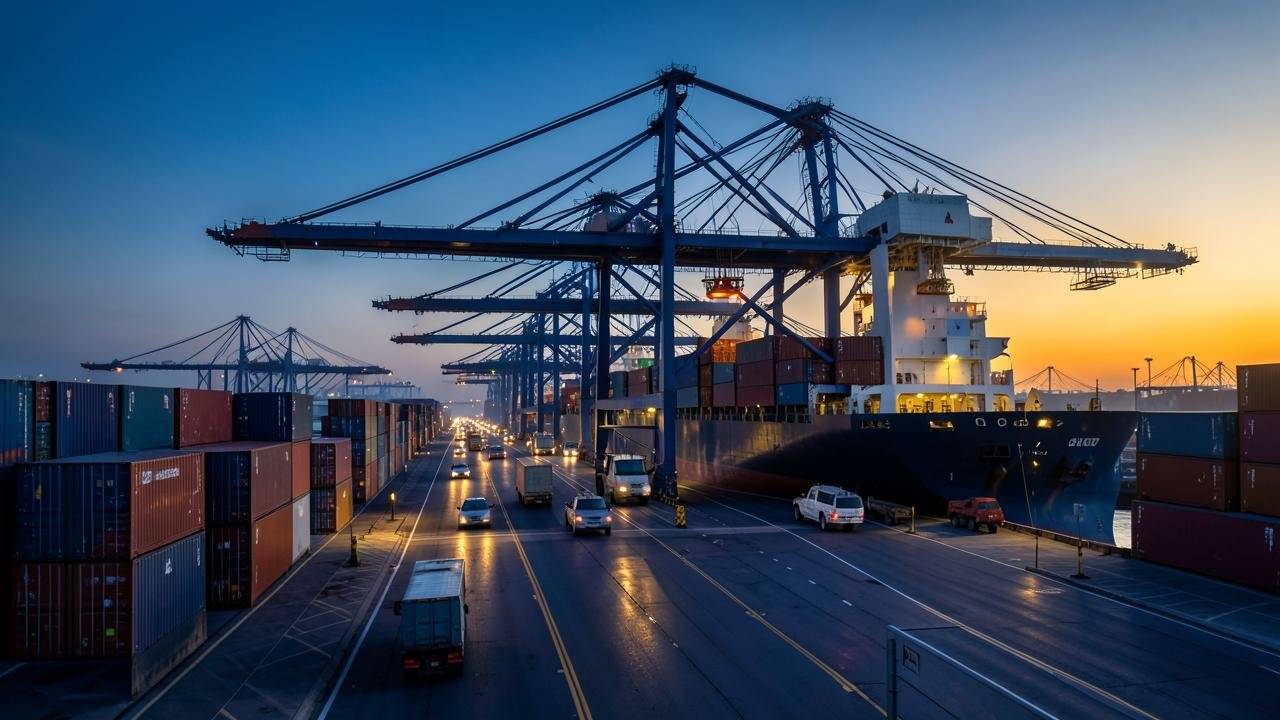
How Global Commodity Sourcing Works: A Buyer's Guide
From first inquiry to shipped container, the practical anatomy of an international food commodity purchase, and where buyers usually lose time and money.
Read article →Insights
Practical guidance for buyers and suppliers working in global food and agricultural commodity markets.
From first inquiry to shipped container, the practical anatomy of an international food commodity purchase, and where buyers usually lose time and money.
Read article →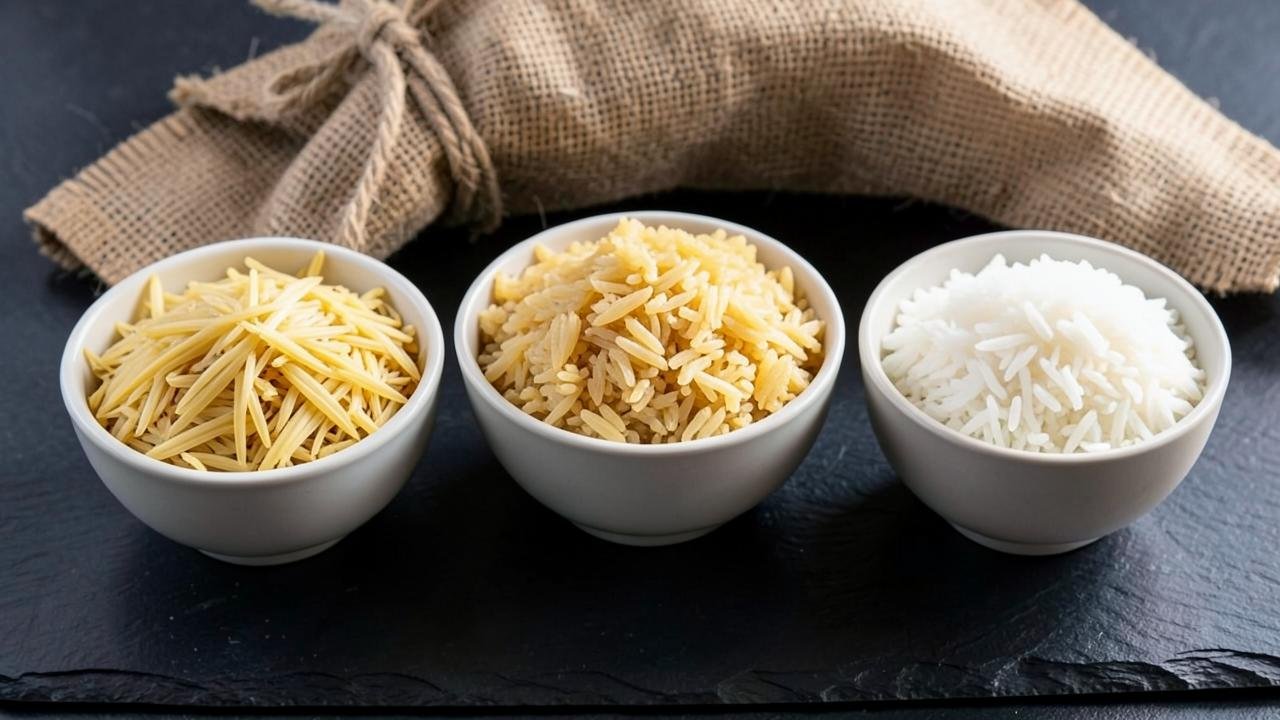
The three rice categories most importers confuse, what actually differentiates them commercially, and the specification lines that determine whether a shipment passes.
Read article →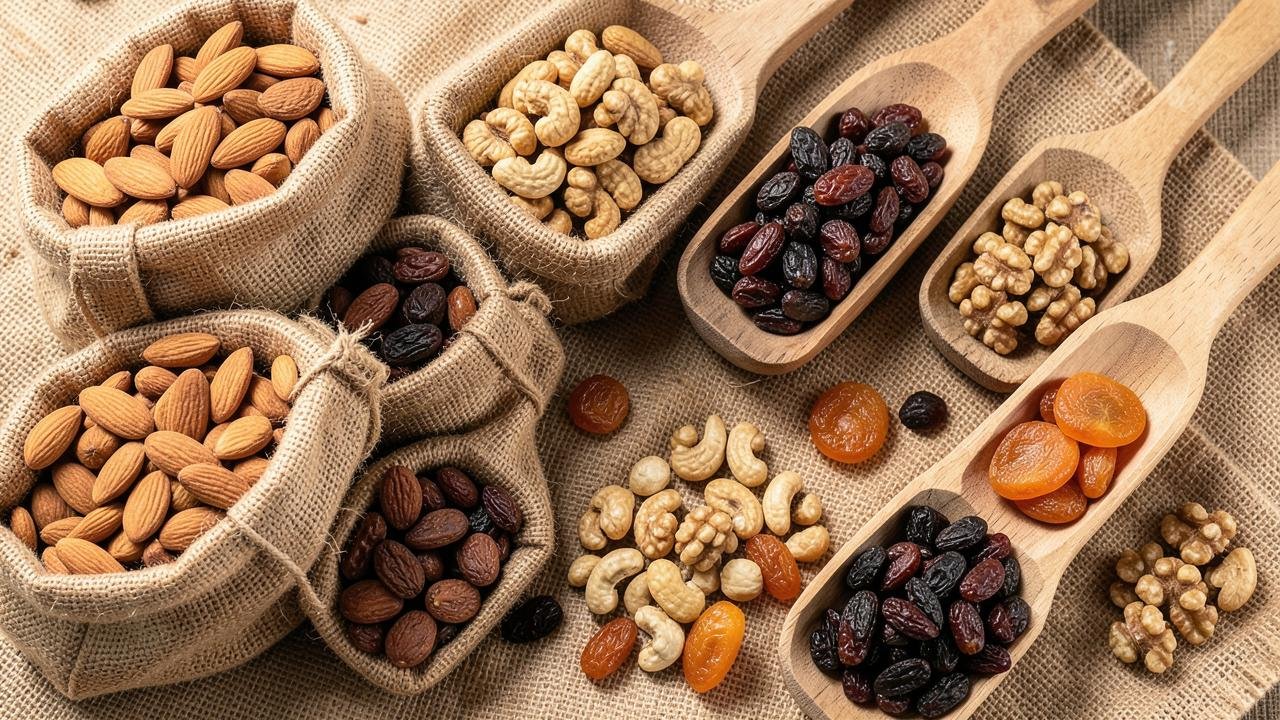
Aflatoxin limits, moisture drift, seasonality and packaging, the recurring errors that turn a good nut and dried fruit purchase into a rejected container.
Read article →
Hiring an export sales team abroad is slow and expensive. A dedicated market representative gives producers commercial presence without building an overseas office.
Read article →
Bills of lading, certificates of origin, phytosanitary certificates and payment documents, what each one does and where transactions get stuck.
Read article →
Demographics, ethnic retail growth and foodservice demand are reshaping how North American buyers source rice, lentils and beans from South Asian origins.
Read article →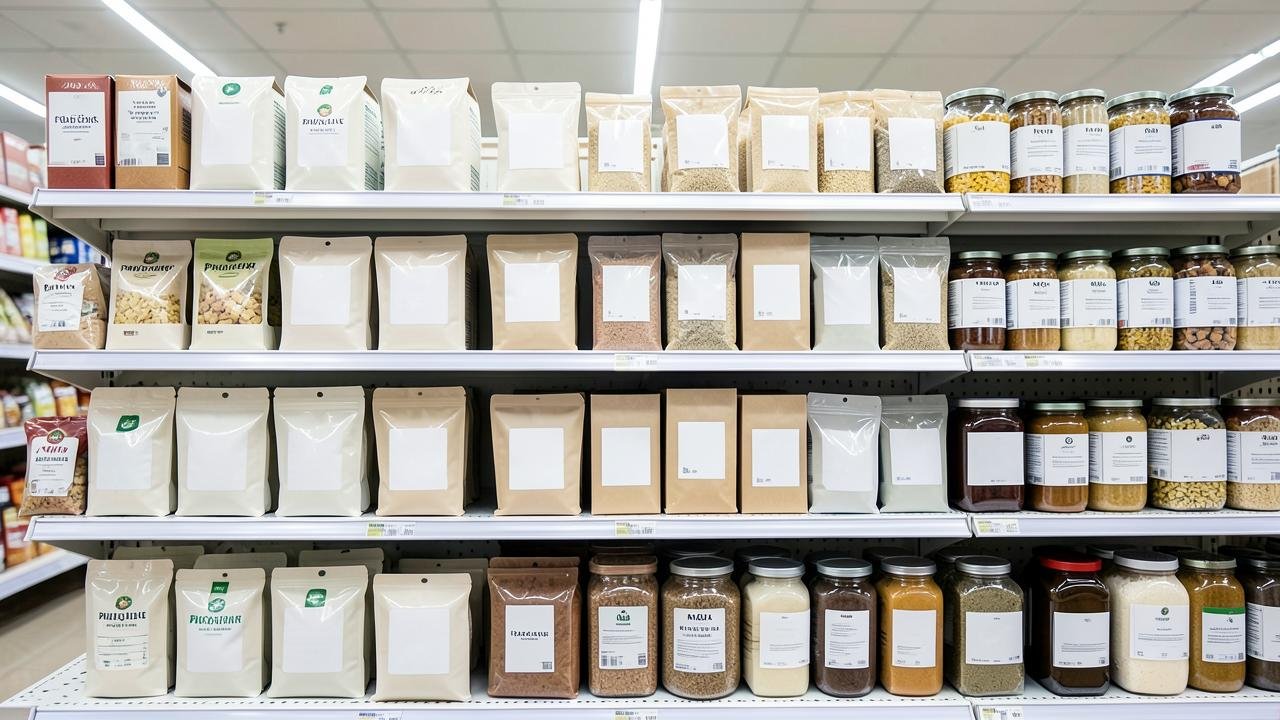
Private label has moved from value tier to strategic category. Here is how a packaged food private-label programme actually gets built.
Read article →
Scope, territory, accountability and review points. What separates a sourcing engagement that produces shipments from one that produces introductions.
Read article →
Bulk ingredient categories behave very differently from finished food. What to specify, what to test, and how pricing actually works.
Read article →
A practical due diligence checklist covering legal existence, production capability, certification, references, financial health and fraud signals.
Read article →