
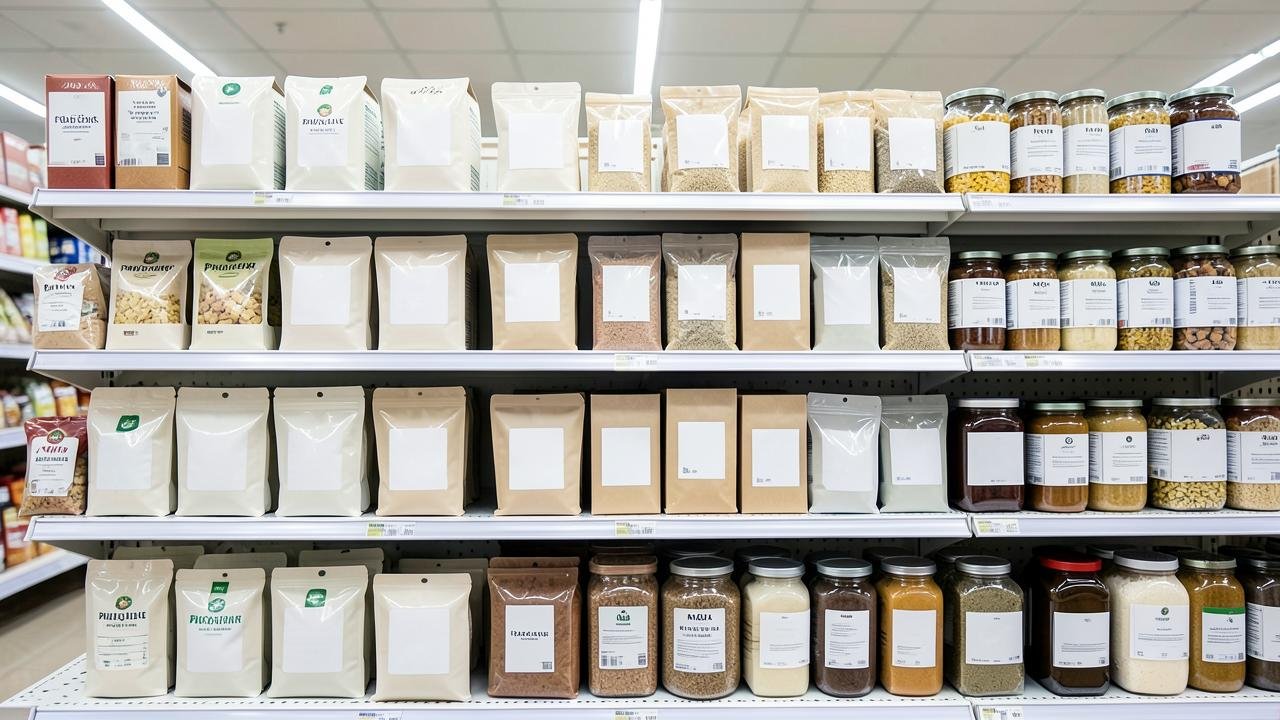
Private label used to mean a cheaper alternative to the branded product on the shelf above it. That framing is obsolete. Retailers and distributors now use own-brand lines to hold margin, differentiate assortment and control supply, and food commodities like rice, pulses, nuts and spices are natural starting points because the product is stable and the brand equity of incumbents is weak.
Why buyers move into private label
- Gross margin typically several points above the branded equivalent
- Control over specification, pack size and format
- Independence from a single branded supplier's pricing decisions
- The ability to build a house brand asset over time
Choosing the right manufacturing partner
The core decision is whether you need a processor who also packs, or a dedicated co-packer buying raw material to your specification. For rice and pulses, mills that already run retail packing lines are usually the efficient answer. For blended or value-added products, a specialist co-packer with format experience matters more than raw material proximity.
Qualify on food safety certification (BRCGS, IFS, FSSC 22000 or equivalent), audit history, line capability for your pack format, and, critically, whether they have exported private label to your market before. Regulatory labelling competence is a learned skill, not an assumption.
Getting the commercial structure right
Private label carries costs that commodity buying does not. Artwork origination, printing plates or cylinders, film and carton minimums, and first-production trials all sit before your first sale. Minimum order quantities are usually set by packaging supply, not by production capacity, so ask for the packaging MOQ separately from the product MOQ.
Build the costing transparently: raw material, processing, packaging, labour, factory margin, freight, duty, and destination handling. When raw material prices move, you want a contract that repriced the raw material component only, not the whole delivered price.
Artwork, labelling and compliance
Assign a single owner for artwork approval. Most private-label delays are artwork revision cycles, not production.
- Nutrition panel format and units per destination market
- Allergen declarations and cross-contamination statements
- Country of origin marking rules
- Net weight declaration and tolerance
- Barcode allocation, verification and lot coding
- Best-before determination supported by shelf-life data
Quality control after launch
Under private label, the retailer's name is on the pack, so the retailer owns the complaint. Establish a specification with agreed tolerances, a routine testing plan, retained samples from each production run, and a defined non-conformance procedure before the first container ships.
SourceBridge Commodities supports buyers building private-label food programmes, identifying capable manufacturers, coordinating specification and sampling, and managing the commercial negotiation through to first production.
Planning a private-label programme? Contact SourceBridge Commodities today.
Contact SourceBridge Commodities